The 2026 Mazda CX-5 Redesign: Can Mazda’s Best-Seller Survive Without a Full EV Version?
Jan 16, 2026
Hi, we're MyWagons. We provide owner reviews of cars for extended reliability data and personal opinions of the real owners. Take a look by searching a car, or continue reading the article.
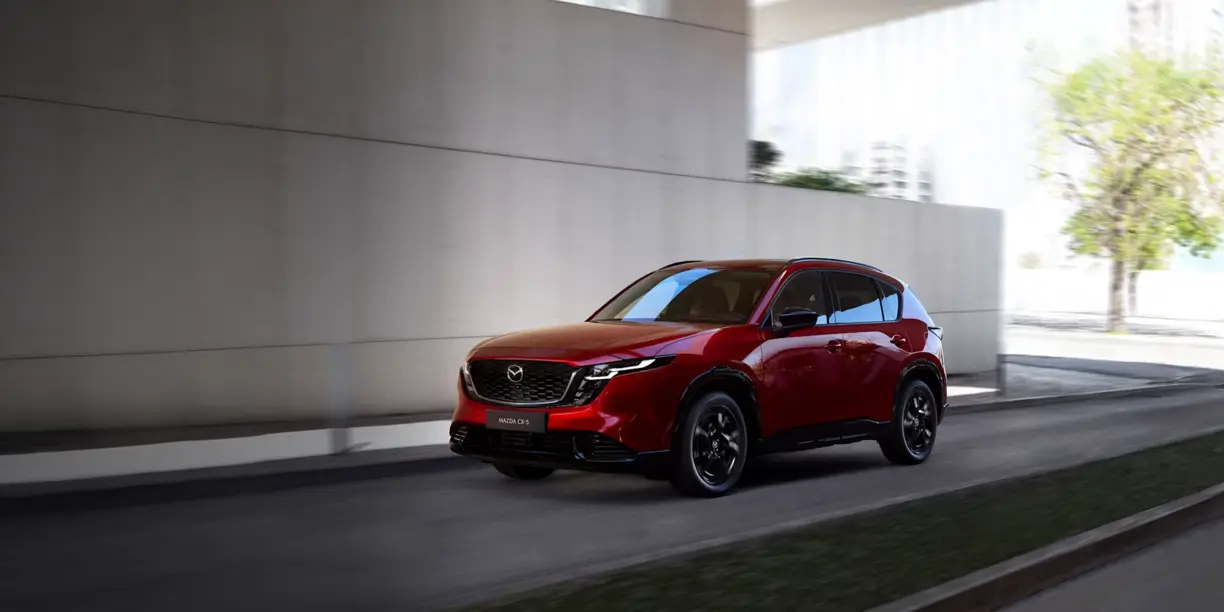
The Mazda CX-5 has long been the "Goldilocks" of the compact SUV world—it isn’t the biggest, it isn't the cheapest, but it is consistently the most rewarding to drive. As we move into 2026, the stakes for this model have never been higher. The third-generation redesign has officially arrived, and it brings a controversial strategy: while competitors like Tesla and Hyundai are pushing deeper into the all-electric space, the 2026 CX-5 is doubling down on internal combustion and hybrid tech.
In a market obsessed with the transition to EVs, Mazda is betting that its best-selling breadwinner can survive, and even thrive, by ignoring the "all-electric" mandate for its core nameplate. This isn't just a styling update; it is a calculated gamble that the average driver still values mechanical engagement and long-distance convenience over a plug-in lifestyle.
The "No-EV" Strategy: Why Mazda is Splitting the Lineup
The most striking headline for the 2026 model year is the total absence of a CX-5 EV. Instead of forcing a battery-electric powertrain into the CX-5 chassis—a move that often compromises weight and interior space—Mazda has launched a "shadow" model called the CX-6e. Built in partnership with Changan, the CX-6e serves as the dedicated electric alternative, leaving the CX-5 free to be the best gas-and-hybrid machine it can be.
By keeping the CX-5 away from the heavy battery packs of a full EV, Mazda has been able to focus on what its customers actually want: better packaging and refined dynamics. The 2026 redesign is built on a modified version of the Skyactiv transverse platform, ensuring that the car remains light on its feet and relatively affordable, with a starting price that remains comfortably under the $32,000 mark.
The Skyactiv-Z Hybrid: The 2027 Bridge
While the 2026 model launches first with a refined version of the 2.5L Skyactiv-G four-cylinder, the real game-changer arrives shortly after. Mazda has confirmed that the 2027 CX-5 Hybrid will debut an all-new, in-house developed powertrain called Skyactiv-Z.
Unlike the Mazda CX-50 Hybrid, which borrows its heart from the Toyota RAV4, the CX-5 Hybrid is a "pure" Mazda effort. This is a critical distinction for the brand’s survival. Mazda engineers are aiming for a "Zoom-Zoom" hybrid experience that avoids the rubber-band sensation of traditional CVTs found in many competitors. By using a geared automatic transmission paired with a potent electric motor, Mazda is targeting 40 mpg combined while maintaining the punchy, responsive throttle feel that has defined the nameplate for a decade.
Addressing the "Cramped" Criticism
For years, the biggest knock against the CX-5 was its tight rear seat and modest cargo hold compared to the cavernous Honda CR-V. The 2026 redesign finally addresses this head-on. The new model has grown significantly:
Wheelbase: Stretched by 4.5 inches, providing much-needed legroom for rear passengers.
Overall Length: Increased by nearly 5 inches, allowing for a reconfigured cargo area that is over 11% larger than the outgoing model.
Wider Stance: A half-inch increase in width improves shoulder room and gives the SUV a more planted, upscale presence on the road.
To make the car more family-friendly, Mazda has also enlarged the rear door openings. Parents will find it significantly easier to maneuver bulky child seats into the back, a small but vital change for a vehicle that serves as a primary family hauler.
The Digital Revolution: Goodbye, Rotary Dial
In a move that has shocked some Mazda purists, the 2026 CX-5 has officially retired the "Commander" rotary dial in favor of a massive 15.6-inch touchscreen. While Mazda previously argued that touchscreens were too distracting, the shift to Google Built-In software has forced their hand.
The new system features Google Maps, Google Assistant, and the Gemini AI assistant as standard. By moving to a touch-centric interface, Mazda is finally allowing for the seamless smartphone integration that buyers in 2026 demand. The interior materials have also seen a significant bump in quality, with two-tone leather options and a minimalist dash design that makes the CX-5 feel more like a cut-price Audi than a mainstream Japanese crossover.
Performance Triage: The Death of the Turbo
To make room for the upcoming hybrid, Mazda has made the difficult decision to discontinue the 2.5L Turbo engine for the 2026 launch. For enthusiasts, this is a blow, but Mazda’s data shows that the vast majority of buyers value efficiency over raw 0-60 times.
The standard 187-horsepower engine has been recalibrated for smoother power delivery and quieter operation. While it won't win many drag races, the 2026 model features a new G-Vectoring Control Plus (GVC+) system and revised shock absorbers that sharpen the handling. The result is a car that feels more premium and composed in corners, even if it lacks the turbocharged punch of years past.
Can It Survive the EV Wave?
The survival of the CX-5 depends on a simple question: Are there enough buyers who aren't ready for an EV? In 2026, the answer appears to be a resounding yes. With charging infrastructure still lagging in many rural and suburban areas, a highly efficient hybrid like the upcoming Skyactiv-Z version offers the perfect middle ground.
By avoiding the "EV or Bust" trap, Mazda has kept the CX-5's weight down, its handling sharp, and its price accessible. The 2026 redesign isn't a revolution; it is a meticulous refinement of a winning formula. It addresses the space and tech complaints of the old model while leaning into the reliability and "fun-to-drive" DNA that has made it a global best-seller. If the Skyactiv-Z hybrid delivers on its 40-mpg promise, the CX-5 won't just survive without an EV version—it might just become the benchmark for the "post-hype" automotive era.