Apple Car is Dead: How "Project Titan" is Reshaping the Future of Apple CarPlay in 2026
Jan 20, 2026
Hi, we're MyWagons. We provide owner reviews of cars for extended reliability data and personal opinions of the real owners. Take a look by searching a car, or continue reading the article.
For nearly a decade, the automotive world was held in a state of suspended animation, waiting for the "Apple Car." It was a project shrouded in mystery, codenamed Project Titan, and it promised to do for the car what the iPhone did for the phone. We imagined a minimalist, pedal-less pod that would glide through our cities, driven entirely by Silicon Valley algorithms. But as we sit here in 2026, the physical Apple Car is nowhere to be found.
In February 2024, Apple did the unthinkable: they pulled the plug on the physical vehicle. Billions of dollars in research and thousands of engineers were redirected. However, if you think Apple’s automotive ambitions died that day, you haven't sat in a 2026 high-end luxury vehicle lately. Project Titan didn't fail; it was simply digitized.
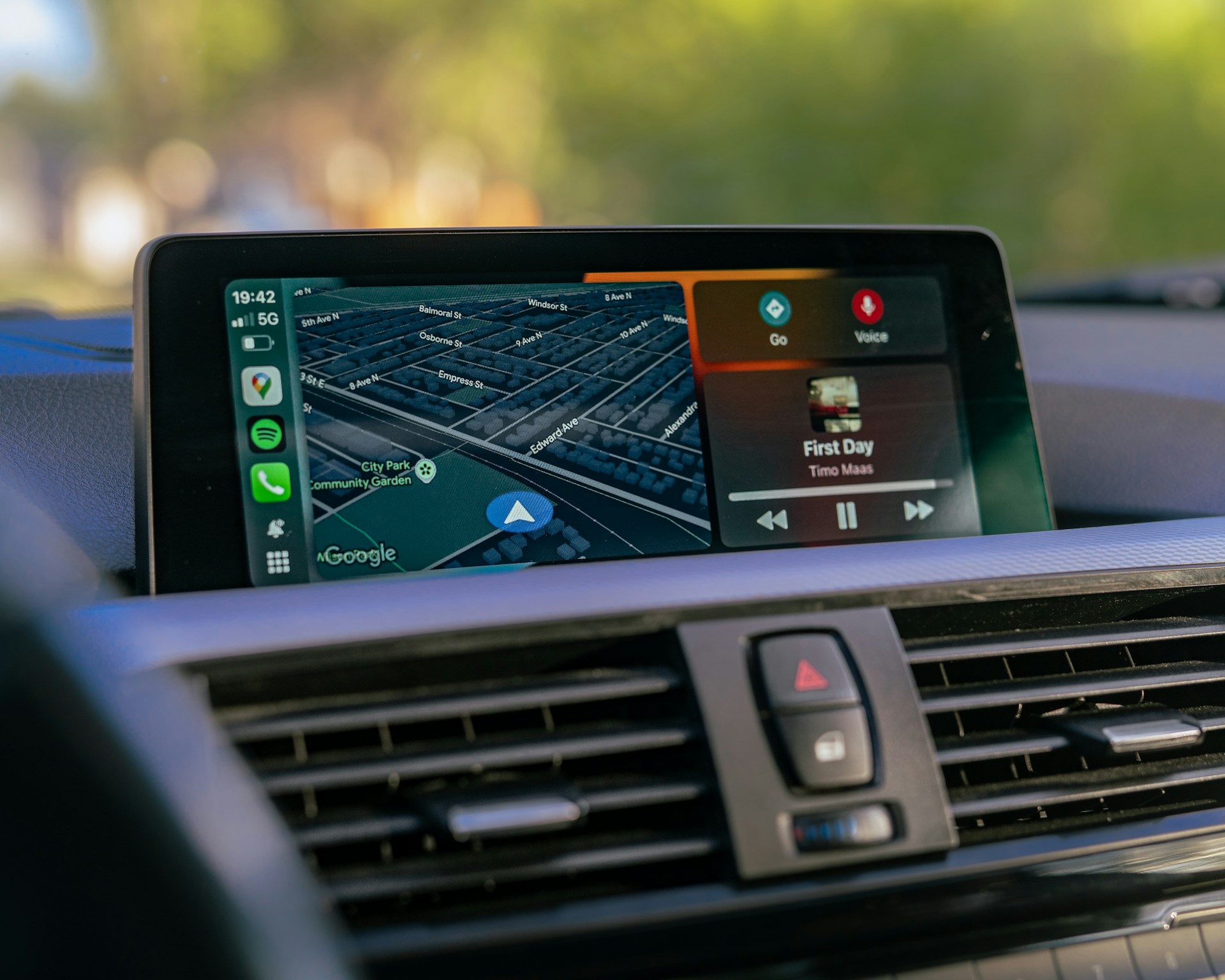
The "ghost" of the Apple Car is now living inside your dashboard. The software, the silicon, and the artificial intelligence developed for a physical car have been funneled into what we now call CarPlay Ultra. As of 2026, Apple has successfully executed a "Trojan Horse" strategy, taking over the interior of the car without ever having to worry about tire recalls or manufacturing logistics.
The Silicon Legacy: From SafetyOS to your Dashboard
One of the best-kept secrets of the Project Titan era was the development of a bespoke automotive chip. Reports from the winding-down of the project revealed that Apple had nearly finished a processor with the raw power of four M2 Ultra chips combined. While that chip was intended to drive a fully autonomous vehicle, it laid the groundwork for the incredibly smooth, high-resolution rendering we see in today’s Next-Generation CarPlay.
The software foundation of the canceled car, a microkernel known as SafetyOS, has also found a second life. In the early 2020s, CarPlay was essentially a video stream from your iPhone to a car’s screen. In 2026, the relationship has flipped. Using a lightweight, safety-critical version of the Titan software, CarPlay Ultra now runs natively on the car’s hardware for critical functions.
When you see the digital speedometer on a 2026 Porsche Taycan or the tachometer on an Aston Martin DB12, you aren't just looking at a mirror of your phone. You are looking at the remnants of a decade of automotive safety research. This deep integration allows Apple to control every pixel on every screen in the car—from the instrument cluster to the passenger-side display—without the lag or "handshake" issues that plagued earlier versions of the software.
The Rise of CarPlay Ultra: The New Standard for 2026
If 2025 was the year of the "exclusive" launch with Aston Martin, 2026 is the year CarPlay Ultra becomes the yardstick for the industry. This version of CarPlay is no longer an "app" on your screen; it is the screen.
The 2026 experience is defined by Total Display Dominance. In supported vehicles like the new Hyundai IONIQ 3 and the latest Genesis models, CarPlay Ultra takes over the entire dashboard. It manages the speedometer, the battery level (or fuel gauge), the climate control, and even the FM radio.
Key Features of the 2026 CarPlay Ultra experience include:
Multitouch Gestures: For the first time, users can pinch, zoom, and rotate maps directly on the car's display with the same fluidity as an iPad Pro.
Unified Widgets: Your dashboard is now a customizable canvas of Live Activities. You can see your Nest doorbell feed, your sports scores, and your car’s tire pressure in a single, cohesive layout.
AirPlay for Video: When parked at a charging station, the 2026 system allows users to wirelessly stream high-definition video to the car’s central screen, turning the cabin into a private cinema.
LLM Siri: The Brain Moved from the Bumper to the Cockpit
The most significant "pivot" for Project Titan was the shift of its autonomous driving team to the Apple Intelligence division. In 2026, we are seeing the fruit of that labor with the launch of LLM Siri (Large Language Model Siri) within the CarPlay environment.
The autonomous sensors of the Apple Car were designed to "understand" the world. That same semantic understanding has been applied to voice control. In a 2026 vehicle, you no longer need to use rigid commands. You can simply say, "Siri, I’m feeling a bit tired and the glare is annoying," and the car will simultaneously suggest a coffee shop on your route, adjust the tint on the panoramic roof, and dim the dashboard brightness.
Siri now has contextual awareness of your life. Because it is powered by the same AI architecture meant for self-driving, it can scan your emails and messages to provide proactive assistance. If you have a flight in three hours, Siri won't just tell you when to leave; it will check the current traffic data from the local city grid and automatically pre-condition your EV’s battery for the fastest possible charging stop along the way.
The Great Brand Divide: Who is In and Who is Out?
As Apple moves to dominate the digital cockpit, a massive rift has opened in the automotive industry. On one side are the Partners, and on the other are the Protective Sovereigns.
The Partners (Apple-First Brands): Automakers like Porsche, Aston Martin, Jaguar, Land Rover, and Hyundai have leaned into the Apple ecosystem. For these brands, the 2026 strategy is clear: focus on building great hardware (chassis, motors, seats) and let Apple handle the "Software-Defined" experience. These cars offer the most seamless experience, allowing users to customize their digital gauges with "Classic Ferrari" or "Minimalist Modern" themes that feel native to the car’s luxury identity.
The Sovereigns (The Resistance): The biggest shock of the 2026 model year is the total absence of CarPlay Ultra in vehicles from General Motors, Tesla, and BMW. These manufacturers have decided that the "data is the new oil" and refuse to hand over the keys to the dashboard.
General Motors has doubled down on its built-in Google system, arguing that they need total control over the software to optimize battery performance.
Tesla remains the most vocal opponent, continuing to offer a walled-garden experience that ignores CarPlay entirely.
BMW has taken a "middle ground" approach, supporting basic CarPlay but refusing to allow Apple to touch the instrument cluster or climate controls, preferring their own iDrive 9.5 system.
This creates a new "buying criteria" for 2026 consumers. Drivers are no longer just choosing between a V8 and an EV; they are choosing between ecosystems. A dedicated iPhone user is increasingly unlikely to buy a Cadillac or a Chevrolet if it means losing the "Siri LLM" integration they rely on.
SafetyOS and the Future of ADAS
While the Apple Car isn't driving itself down the road, the "autonomous" research from Project Titan is leaking into Advanced Driver Assistance Systems (ADAS).
Apple is reportedly licensing parts of its computer vision and machine learning models to selected partners. In 2026, we are seeing "Powered by Apple" safety features in several European models. These systems use the iPhone’s processing power to enhance the car’s onboard cameras, identifying cyclists and pedestrians with a level of precision that older, built-in systems can't match.
By using the Neural Engine on the user's phone, these cars can run complex safety algorithms that would otherwise require expensive, dedicated hardware. This is the ultimate win for Apple: they are providing the "brain" for the car without the liability of being the manufacturer of record.
A Digital Victory
As we look back at the "death" of the Apple Car, it’s clear that Apple didn't lose; they simply evolved. Project Titan was a decade-long R&D lab that perfected the Digital Cockpit.
In 2026, Apple owns the most valuable real estate in the world: the driver’s attention. By moving from a physical hardware play to a deep software-integration play, they have bypassed the low-margin world of automotive manufacturing and entered the high-margin world of Services-as-a-Vehicle.
The Apple Car isn't coming to your garage. It’s already there, living behind the glass of your dashboard, and it's making the cars of 2026 smarter, faster, and more personalized than we ever imagined during the height of the Project Titan rumors. The physical car is dead—long live the digital cockpit.